
Vietnam has long been known as a country blessed with stunning natural landscapes and diverse terrain — from mountains and hills to white sandy beaches, majestic caves and winding mountain passes. If you wish to film the people, their way of life and the natural landscapes here, these are the must-visit destinations I would recommend.
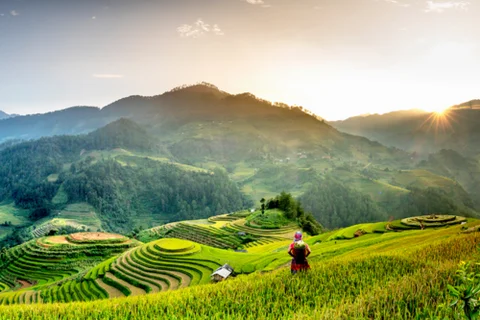
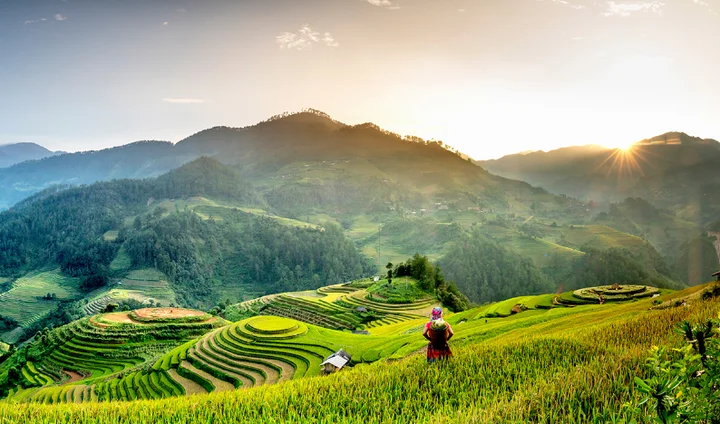
Located in the Northwest of Vietnam, the local ethnic people have long cultivated rice on mountains ranging from 800 to 1,700 meters above sea level. In the water-pouring season (May – June), the terraced fields exhibit a raw, simple beauty. Every autumn (September – October), tourists flock here to behold the fields shimmering like "golden stairways", tier upon tier across the hillsides. Mu Cang Chai is a masterpiece blending human endeavor and nature — a perfect setting for footage, especially when captured with a drone.
Located in Quang Ninh province in the Northeast, Ha Long Bay is a UNESCO World Natural Heritage site, surrounded by large and small limestone islands with clear blue waters and clean air. The best time to capture the most beautiful footage is from February to July, when the weather is cool, the light is gentle, and there is little fog or rain — ideal for a professional camera or a drone.

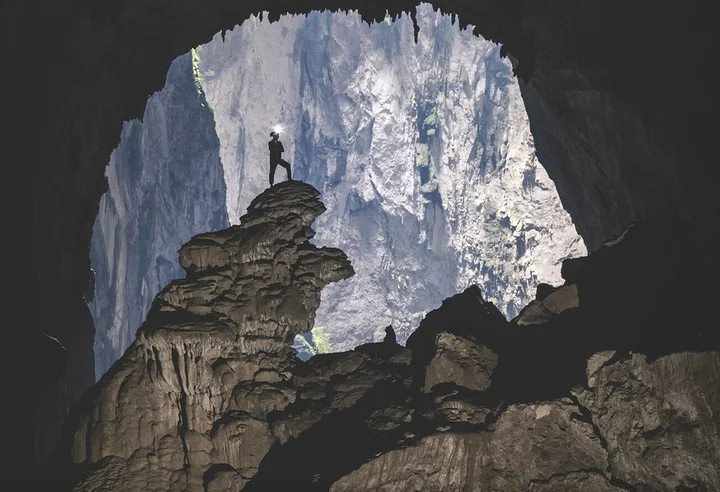
Son Doong is the largest cave system on the planet and the most majestic cave in Vietnam, renowned for its underground river, sedimentary rock formations, sinkholes, sky wells and fossil corridors. Filming here is challenging due to low light and high humidity, so bring lighting equipment and protect your gear from moisture. Son Doong was used as a backdrop for scenes in Kong: Skull Island (2017) — a perfect reference for how magnificent it looks on film.
➡ Cùng chủ đề, đừng bỏ lỡ
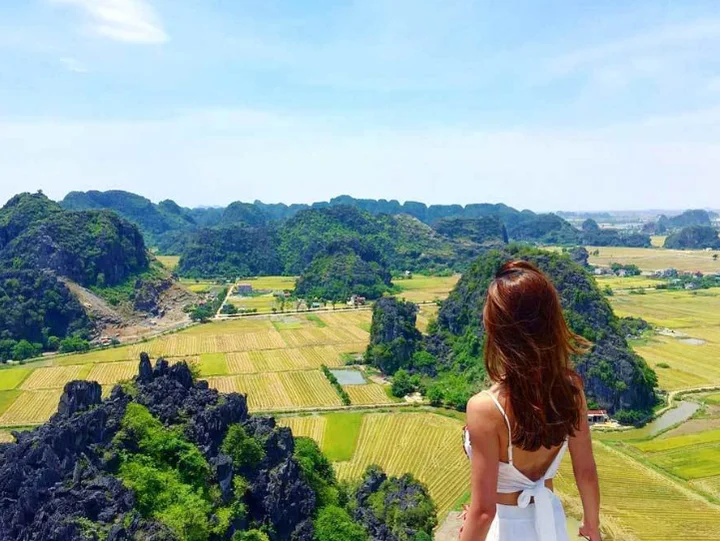
In Tam Coc, the rice fields stretch along both sides of the Ngo Dong River, surrounded by mountains and caves. The rice ripens at the start of summer (around mid-May) and is harvested at the end of May or beginning of June. Many visitors climb nearly 500 steps to the top of Ngoa Long mountain (Hang Mua) for a sweeping panoramic view. For photos, 9–11 am on a sunny day or the day after rain is best, when the grass and rice flowers are fresher.
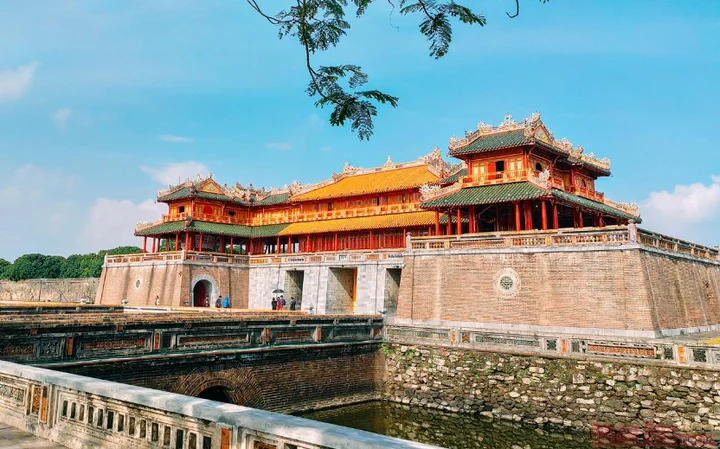
The Imperial City of Hue is a massive construction — initially built with soil, later with bricks towards the end of King Gia Long's reign. Its architecture tightly integrates traditional principles and Eastern philosophy (Yin-Yang and the Five Elements), while also reflecting Western military architecture (the Vauban style). To capture the best footage, avoid October to December (the rainy season); any other time of year is golden.
Peacefully situated at 1,500 meters above sea level, Da Lat is surrounded by cool, fresh pine forests, creating a gentle mountain climate all year round. Long praised as the most beautiful tourist city in Vietnam, it also offers diverse Central Highlands ethnic cultures, with music, dance and performances at local festivals. Thanks to its consistently good weather, you can capture beautiful footage in Da Lat at any time of the year.

From the terraced fields of Mu Cang Chai to the pine forests of Da Lat, Vietnam offers a remarkable variety of cinematic backdrops. Plan your shoot around each location's ideal season, prepare the right equipment (a drone helps enormously), and you will come away with truly stunning footage of this beautiful country.